Fast Water Damage Restoration for Houston Homes & Businesses
Water damage restoration is the work of removing water from a building, drying the structure until moisture readings are back to normal, and repairing what couldn't be saved. In Houston, the clock matters: in our heat and humidity, wet drywall, carpet pad and wood can start growing mold within 24 to 48 hours. Saved Restoration handles the whole job for Houston homes and businesses, from extraction to rebuild. Call (346) 436-1306 to get started.
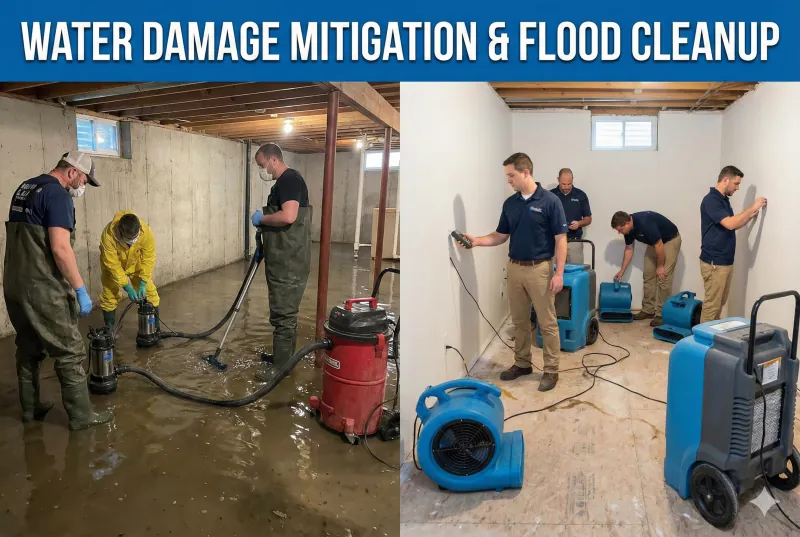
Water damage can occur from floods, burst pipes, roof leaks, or plumbing failures, and if not addressed quickly, it can lead to severe structural issues, mold growth, and costly repairs. Our water damage mitigation and flood cleanup service focuses on rapid response to contain the damage and restore safety to your home or business.
Saved Restoration provides water damage restoration in Houston, TX for homeowners, landlords and commercial property managers. Water that sits too long can turn into a mold problem, so we also offer mold inspection and remediation. If the water came in through the roof or windows, our storm and wind damage repair team can handle that too.
Using state-of-the-art water extraction equipment, moisture detection tools, and high-powered drying systems, we remove standing water, thoroughly dry the affected areas, and protect your property from long-term deterioration. Our expert team ensures that every hidden moisture pocket is identified and treated to prevent mold and ongoing damage.
What We Do
- Emergency water extraction and removal
- Moisture detection in walls, floors, and ceilings
- Industrial-grade drying and dehumidification
- Sanitization and disinfection of affected areas
- Carpet, flooring, and upholstery restoration (where possible)
- Basement and crawlspace cleanup
- Mold prevention and remediation support
- Structural repairs and replacement if needed
- Content cleaning and personal item recovery
Key Benefits
- Mold prevention & moisture control: We eliminate excess moisture quickly to prevent mold colonies from forming. Our advanced drying techniques help protect your indoor air quality and the integrity of your property.
- Rapid structural drying & sanitation: Fast action reduces the risk of structural weakening and bacterial growth. We thoroughly clean and disinfect affected surfaces to ensure a safe and hygienic environment.
- Saves flooring, walls & belongings: Our restoration-first approach focuses on salvaging as much of your property as possible, reducing the need for replacements and lowering overall recovery costs.
Whether it’s a minor leak or a major flooding situation, our water damage mitigation and cleanup service ensures fast relief and long-term protection for your property. We help you recover quickly, safely, and with minimal disruption.
Where Water Damage Comes From in Houston Homes
Most of the water damage we see doesn't start with a hurricane. It starts with something small that ran for a while before anyone noticed. In Houston, the usual sources are:
- AC condensate lines and drain pans. Air conditioners here run most of the year. A clogged line or a rusted pan in the attic can soak a ceiling slowly for weeks.
- Water heaters. Many Houston homes have them in the attic or a closet off the garage, so a failed tank can flood two rooms at once.
- Supply lines and burst pipes. Washing machine hoses, toilet and sink supply lines, and ice maker lines fail without warning. Freezes like the February 2021 winter storm split pipes in attics and exterior walls all over the city.
- Slab leaks. Most Houston houses sit on a concrete slab. A leak in a pipe under the slab can push water up into flooring and baseboards from below.
- Roof and window leaks during storms. Wind-driven rain gets in around flashing, windows and damaged shingles. Our storm damage repair team can secure the opening while the inside gets dried.
- Rising water. Floodwater from bayous, streets and overwhelmed drainage is a different and more dangerous situation. See our page on flood cleanup in Houston.
Clean, Gray or Black: Why the Type of Water Matters
The restoration industry sorts water into three categories, set out in the IICRC S500 standard for water damage restoration. The category decides what can be dried and saved, and what has to be removed.
- Category 1 (clean water): from a broken supply line or a faucet left running. If it's caught early, carpet, pad and drywall can often be dried in place.
- Category 2 (gray water): water with some contamination, like a washing machine or dishwasher overflow. It needs cleaning and antimicrobial treatment, and some porous materials may need to go.
- Category 3 (black water): sewage backups and outside floodwater. It can carry bacteria, chemicals and debris. Porous materials it touches, like carpet, pad and the lower part of drywall, are usually removed, not dried.
Water also changes category over time. A clean-water leak that sits for a few days in a warm house can become a gray-water problem, which is one more reason to start drying quickly.
Our Water Damage Restoration Process
- Inspection and moisture mapping. We find the source, confirm it's stopped, and use moisture meters and other detection tools to trace how far the water has traveled behind walls, under flooring and into cabinets. Water almost always spreads farther than the visible stain.
- Water extraction. Standing water comes out first with extraction equipment. Getting the bulk of the water out early shortens drying time more than anything else.
- Removing what can't be saved. Soaked carpet pad, swollen baseboards, and drywall that has wicked up contaminated water are removed so the structure behind them can dry. We photograph everything before it leaves the house.
- Drying and dehumidification. Air movers and dehumidifiers are set up based on the size of the area and how wet it is. We take readings during the drying period and adjust the setup until the materials reach normal dry levels.
- Cleaning and antimicrobial treatment. Affected surfaces are cleaned and treated to reduce the chance of mold and odor.
- Repairs and rebuild. Once the structure is dry, damaged drywall, flooring, baseboards and paint are repaired or replaced so the room is back to how it was.
Structural drying often takes about three to five days, but it depends on the materials, how long they were wet and the category of water. Pulling equipment before the readings say the job is dry is how hidden mold problems start.
What to Do in the First Hour
- Stop the water at the fixture shutoff or the main shutoff, usually near the street or where the line enters the house.
- Stay safe around electricity. Don't walk through standing water if outlets, cords or appliances are submerged. Turn off power to the area at the breaker only if you can reach the panel while standing somewhere dry.
- Take photos and video of the water, the source and damaged belongings before anything is moved. It helps with your insurance claim.
- Move what you can, like rugs, electronics, papers and photos, to a dry room. Put foil or wood blocks under furniture legs sitting on wet carpet.
- Don't use a household vacuum on standing water, and don't turn on ceiling fans or lights under a wet ceiling.
- Call for help early. If more than a small area is wet, or the water came from outside or a sewer line, call (346) 436-1306. If water is actively spreading right now, our emergency water removal page walks through what happens next.
Signs of Hidden Water Damage
Not every leak announces itself with a puddle. Slow leaks inside walls, under floors and in attics can run for weeks. Call us for an inspection if you notice any of these:
- A musty smell in one room or closet that doesn't go away with cleaning.
- Baseboards that are swelling, separating from the wall or turning soft.
- Laminate or wood flooring that is cupping, buckling or feels spongy.
- Yellow or brown rings on the ceiling, often under an attic AC unit or water heater.
- Paint that bubbles or peels, or drywall that feels cool and damp to the touch.
- A water bill that jumps without a change in how you use water, which can point to a slab leak.
Finding the source usually takes a plumber, and finding how far the water went takes moisture meters. We do the second part and can work alongside your plumber on the first.
Saving Your Belongings
Furniture, rugs, clothing, documents and photos are often more important to people than the drywall. Where it makes sense, we move contents out of the wet area, clean and dry what can be saved, and list what can't so it can go on your claim. Some items are worth trying to save even when they look ruined. Photos and papers, for example, can sometimes be frozen to stop further damage until they can be dried properly. Ask us before you throw anything away, and keep anything you plan to claim until your insurance adjuster has seen it or said you can discard it.
What Water Damage Restoration Costs
Every water job is priced after an inspection, because two leaks that look the same from the hallway can be very different behind the wall. The main things that drive the cost are:
- How large the wet area is and how many rooms or floors are involved.
- The category of water. Clean water can often be dried in place; sewage and floodwater mean more removal, cleaning and protective equipment.
- How long the water sat. Faster response usually means less demolition and a smaller rebuild.
- The materials. Hardwood, laminate, plaster and finished cabinets each dry differently, and some can't be saved once they swell.
- Whether mold is already growing, which adds containment and remediation.
- How much rebuild is needed after drying, from a strip of baseboard to full flooring and drywall replacement.
We give you a written scope before repair work starts, so you know what is being done and why.
Water Damage and Your Insurance Claim
Many homeowners policies cover sudden and accidental water damage, like a burst pipe, but not slow leaks that went on for a long time or rising floodwater, which is usually covered only by a separate flood policy. Every policy is different, and the decision belongs to your insurance company. What we can do is document the loss properly: photos, moisture readings, drying logs and a written scope that you can share with your insurance company. You stay in control of your claim. If floodwater came in from outside, our flood cleanup page covers how flood insurance claims work.
Water Damage Restoration FAQs
How fast does water damage turn into mold?
Mold can start growing on wet drywall, wood and carpet pad within 24 to 48 hours, and Houston's humidity makes that more likely. That's why extraction and drying should start as soon as the source is stopped.
Can wet carpet be saved?
Often, if the water was clean and the carpet is dried quickly. The pad underneath usually has to be replaced. Carpet soaked by sewage or floodwater is normally removed for health reasons.
Do I need to remove drywall after a leak?
Not always. If the water was clean and the wall is dried quickly, drywall can often stay. If it has swollen, stayed wet too long or touched contaminated water, the damaged section is cut out so the wall cavity can dry.
How long does it take to dry out a house?
Drying commonly takes about three to five days once equipment is set up, longer for hardwood, plaster or very wet areas. We check moisture readings during the job and only call it dry when the numbers say so.
Can I stay at home during water damage restoration?
In many clean-water jobs, yes. Drying equipment is noisy and some rooms may be off limits. With sewage, floodwater, mold or no working kitchen or bathroom, staying somewhere else for a few days may be safer.
Does homeowners insurance cover water damage in Texas?
It depends on your policy and what caused the damage. Sudden events like a burst pipe are often covered; long-term leaks and rising floodwater often are not. Your insurance company makes the coverage decision. We provide the documentation you need to file.
Will my belongings be thrown away?
Only what can't be cleaned and dried safely. We try to save contents first, and we photograph and list anything that has to go so it can be included in your insurance claim.
What should I do while I wait for help?
Stop the water if you can, stay away from water near electricity, take photos, and move valuables to a dry area. Don't run a household vacuum on standing water.
Need water damage restoration in Houston now? Request a free estimate or call (346) 436-1306. For flood safety tips, see Ready.gov’s flood guide and the Harris County Flood Control District.
