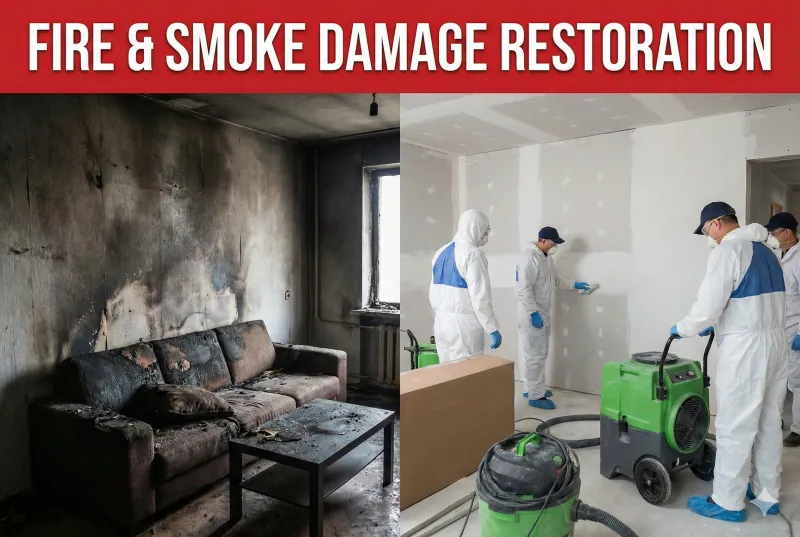
Fire Damage Restoration for Houston Homes & Businesses
Fire damage restoration covers everything after the fire is out: securing the building, drying out the water used to fight the fire, removing soot and smoke odor, cleaning belongings, and rebuilding what burned. Smoke and soot spread far beyond the room where the fire started, so even a small kitchen fire in a Houston home can affect the whole house. Saved Restoration handles the full job, start to finish. Call (346) 436-1306.
A fire can leave behind more than visible damage. Smoke, soot, and water from firefighting efforts can penetrate walls, furniture, and structural elements, causing ongoing damage and persistent odors if not treated properly. Our professional fire and smoke damage restoration service is designed to bring your property back to a clean, safe, and livable condition as quickly as possible.
Saved Restoration provides fire damage restoration in Houston, TX for homeowners and commercial properties. Putting out a fire often leaves soaked drywall and flooring behind, so our water damage restoration crew can dry the property at the same time.
We use advanced cleaning methods, industry-grade equipment, and proven restoration techniques to remove soot, neutralize smoke odor, and repair fire-damaged areas. From minor smoke damage to major structural issues, our team handles every stage of the restoration process with care and attention to detail.
What We Do
- Thorough inspection and damage assessment
- Emergency board-up and property stabilization (if required)
- Removal of charred materials and debris
- Deep cleaning of walls, ceilings, floors, and fixtures
- Soot and smoke residue removal from surfaces and contents
- Advanced deodorization to eliminate smoke and burnt odors
- Drying and dehumidification of affected areas
- Structural repair and restoration
- Content cleaning, restoration, and safe storage
Key Benefits
- Eliminates smoke odor & soot: We use professional-grade equipment and cleaning agents to remove soot from surfaces and deep-clean affected areas. Our odor neutralization process targets smoke particles trapped in walls, furniture, fabrics, and HVAC systems, leaving your property fresh and breathable.
- Prevents long-term structural issues: Soot, moisture, and heat can weaken structural components over time. By addressing damage quickly and correctly, we help prevent corrosion, warping, staining, and hidden deterioration that could lead to costly repairs in the future.
- Full content cleaning & recovery: We carefully handle your furniture, electronics, documents, clothing, and personal items. Wherever possible, we clean, deodorize, and restore your belongings instead of replacing them, helping you save both money and memories.
Whether it’s a small kitchen fire or a major property incident, our fire and smoke damage restoration service is designed to reduce downtime, protect your investment, and help you get back to normal life as soon as possible.
Smoke vs. Soot: What's the Difference?
People use the words interchangeably, but they cause different problems and need different cleaning.
- Smoke is the gas and fine particles a fire gives off. It travels through the whole building, into closets, attics, HVAC ducts and wall cavities, and carries the burnt smell into fabrics, carpet and drywall. Smoke damage is mostly an odor and air-quality problem.
- Soot is the black residue smoke leaves on surfaces. It is acidic, so it can stain, etch and corrode surfaces like countertops, metal fixtures, grout and electronics if it sits. Oily soot from kitchen and plastic fires smears when you wipe it, which can push it deeper into paint and fabric.
Because of that, the order of cleaning matters: dry soot removal first, then the right cleaning method for each surface, then odor treatment. Our page on smoke damage cleanup in Houston goes deeper on smoke types and odor removal.
Our Fire Damage Restoration Process
- Inspection and safety check. Once the fire department has released the property, we walk it with you, document the damage with photos, and look for structural, electrical and water hazards.
- Board-up and tarping. Broken windows, doors and roof openings are covered to keep out weather and intruders and to protect the property for your claim.
- Water removal and drying. Firefighting leaves a lot of water behind. We extract it and dry the structure so mold doesn't follow the fire, using the same process as our water damage restoration service.
- Debris and charred material removal. Burned drywall, insulation, flooring and cabinets are removed and hauled away.
- Soot cleaning. Walls, ceilings, cabinets and fixtures are cleaned with methods matched to the type of soot and the surface.
- Contents cleaning and pack-out. Belongings that can be saved are cleaned and deodorized, sometimes off-site while the house is being worked on. Items that can't be saved are listed and photographed for your claim.
- Odor removal. Air filtration, cleaning and deodorizing treatments remove smoke odor at the source, including in HVAC ducts.
- Repairs and rebuild. Drywall, paint, flooring, cabinets and trim are replaced so the home or business is ready to use again.
The First 48 Hours After a Fire
- Don't go back inside until the fire department says it's safe.
- Call your insurance company or agent to report the fire, and ask what your policy covers for temporary housing.
- Don't turn on the HVAC system. It can pull soot through the whole house.
- Don't wipe soot off walls or upholstery yourself. It often smears and sets in.
- Throw away food, drinks and medicine that were exposed to heat, smoke or soot.
- Take photos of every room before anything is cleaned or thrown out.
For more on recovering safely, see Ready.gov's home fires guide.
How a Fire Insurance Claim Usually Works
Every claim and every policy is different, but most go through the same steps:
- Report the claim to your insurance company as soon as you can and write down your claim number.
- Ask about living expenses. Many homeowners policies help with hotel or rental costs while the home can't be lived in. Keep every receipt.
- Document the damage. Photos and video of every room, plus a list of damaged belongings. We document the structure and the contents we handle with photos and a written scope you can share with your insurance company.
- Meet the adjuster. The adjuster inspects the property and reviews the damage. You can share our documentation and scope with them.
- Review the estimate. Compare the insurance estimate with the scope of work. If something is missing, ask your adjuster about it.
- Restoration and rebuild once the scope is agreed.
You stay in control of your claim, and your insurance company makes the coverage decisions. The Texas Department of Insurance has a helpful FAQ on homeowners insurance and claims.
What Fire Damage Restoration Costs
Fire jobs are priced after an inspection. The biggest cost factors are:
- How much of the building burned versus how much only has smoke and soot damage.
- The type of fire. Kitchen grease and plastic fires leave oily residue that takes more work to clean.
- Water damage from firefighting that needs extraction and drying.
- The amount of contents to clean, store or inventory.
- Odor removal, including HVAC duct cleaning.
- How much rebuilding is needed after cleaning.
Fire Damage Restoration FAQs
Can I stay in my house after a small fire?
Sometimes, if the fire department clears it, the power is safe and the smoke damage is limited. Smoke and soot can irritate lungs, so children, older adults and anyone with breathing problems may be better off staying elsewhere until cleaning is done.
Can smoke-damaged clothes and furniture be saved?
Often, yes. Many clothes, linens, hard furniture and some upholstered pieces can be cleaned and deodorized. Items that were charred or soaked in contaminated water usually can't.
Why does the smoke smell keep coming back?
Smoke odor hides in porous materials, wall cavities and ductwork. If only the visible surfaces are cleaned, the smell returns on humid days or when the AC runs. Odor has to be removed at the source.
Should I clean soot off the walls myself?
It's better not to. Wiping soot with a wet cloth often smears it and drives it into the paint. Dry soot removal comes first, then cleaning matched to the surface.
Do you board up the house after a fire?
Yes. Board-up and tarping of damaged windows, doors and roof areas is part of our fire damage service when the building is open to weather or entry.
How long does fire damage restoration take?
A small smoke cleanup can take a few days. A fire that needs demolition and rebuilding can take weeks or months, depending on the size of the loss and insurance approvals.
Need fire damage restoration in Houston? Request a free estimate or call (346) 436-1306. For fire safety and prevention, see Ready.gov on home fires and the U.S. Fire Administration.
