Water Coming In Right Now? Call (346) 436-1306
If water is coming into your Houston home or business right now, stop the source if you safely can and call Saved Restoration's 24/7 emergency line at (346) 436-1306. Emergency water removal means getting standing water out fast with extraction equipment, before it soaks into drywall, cabinets and the slab and turns into mold. The faster the water comes out, the less has to be torn out later.
What to Do Right Now, While You Wait
- Shut off the water. Close the valve at the fixture, or the main shutoff, usually in a box near the street or where the line enters the house.
- Keep away from electricity. If water is near outlets, cords or appliances, don't walk through it. Turn off the breaker for that area only if you can reach the panel from a dry spot.
- Get people and pets out of the wet area, especially if the water is from a sewer line or from outside.
- Take photos and video of the water, the source and the damage before you move anything.
- Lift what you can. Move electronics, rugs, papers and photos to a dry room, and get valuables off the floor.
- Leave the heavy work to us. Don't use a household vacuum on standing water, and stay out from under sagging, wet ceilings.
What Happens When You Call
When you call (346) 436-1306, we'll ask a few quick questions so the right equipment comes with the crew:
- Where is the water coming from, and has it been stopped?
- How many rooms are wet, and is there water in the ceiling or on more than one floor?
- Is it clean water, or could it be sewage or outside floodwater?
- Is anyone hurt, or is there water near the electrical panel?
- The address and the best number to reach you.
You can also send your details through the form on this page, but in an emergency, calling is the fastest way to reach us.
What We Do On Site
- Safety check. We confirm the source is stopped and look for electrical and structural hazards.
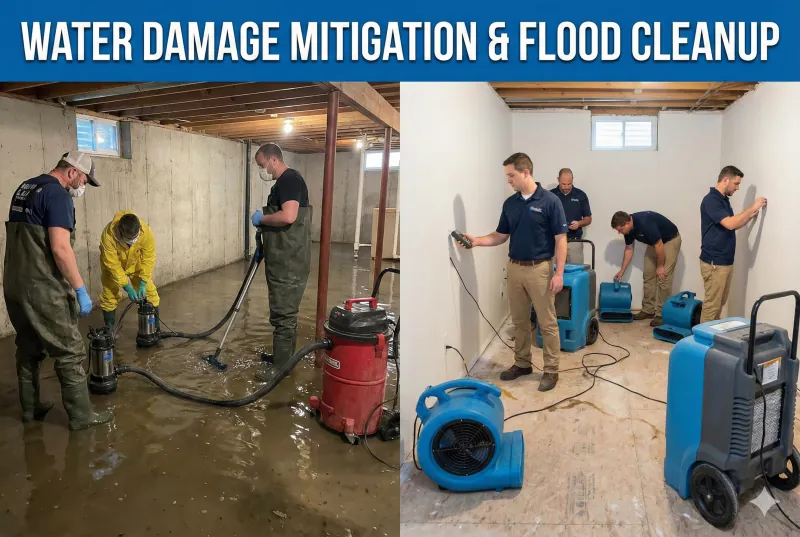
- Extraction. Standing water is removed from floors, carpet and pad with extraction equipment.
- Moisture check. We use moisture meters to find water that has moved under flooring, behind baseboards and into walls.
- Remove what's ruined. Soaked pad, swollen baseboards and contaminated materials come out so the structure can dry.
- Set up drying. Air movers and dehumidifiers are placed to dry the structure, and we keep checking readings until it's dry.
- Document. Photos, moisture readings and notes go into a written scope you can share with your insurance company.
Once the emergency is under control, the job moves into full drying and repair. Our water damage restoration page covers that part in detail.
Common Water Emergencies in Houston
- Burst pipes, especially in attics and exterior walls during hard freezes.
- Water heater failures, often in an attic or a closet next to living space.
- Supply line and appliance leaks from washing machines, dishwashers, toilets and ice makers.
- AC overflow from clogged condensate lines and drain pans.
- Sewage backups from toilets, tubs and floor drains, which need extra cleaning and protective gear.
- Storm water through damaged roofs and windows. See storm damage repair.
- Rising floodwater after heavy rain. See flood cleanup in Houston.
Why the First Day Matters
Water moves fast and keeps moving. In the first hours it spreads across floors and wicks up drywall. Within a day or two, wood swells, laminate cups, and in Houston's humidity mold can begin to grow. The EPA's guide to mold and moisture recommends drying wet materials within 24 to 48 hours to prevent mold. Fast extraction is the cheapest part of a water job, and it keeps the rest of the job smaller.
The industry standard for this work is the IICRC S500 standard for water damage restoration, which sorts water into clean, gray and black categories and sets out how each should be handled.
What Emergency Water Removal Costs
Emergency service is priced from what we find on site. The main factors are how much water there is and how far it has spread, whether it's clean water, gray water or sewage, how long it has been sitting, the flooring and building materials involved, and how much drying equipment the structure needs and for how long.
Emergency Water Removal FAQs
Can I remove the water myself with a shop vac?
A wet/dry shop vac can help with a small amount of clean water on hard floors. It won't pull water out of carpet pad, walls or the slab, and it shouldn't be used on sewage or floodwater.
Should I turn off the electricity?
If water is near outlets or the panel, yes, but only if you can reach the breaker from a dry spot. If not, stay out of the area and wait for help.
Will my insurance pay for emergency water removal?
Sudden water damage, like a burst pipe, is often covered by homeowners insurance, and most policies expect you to act quickly to prevent more damage. Your insurance company makes the decision. We document everything so you can file.
Do I need to call a plumber too?
If the water came from a broken pipe, water heater or slab leak, the plumbing repair is usually a separate job. We can remove the water and start drying while your plumber fixes the source.
Is it safe to stay in the house?
For a clean-water leak in one area, often yes. If there's sewage, floodwater, a sagging ceiling or water near the electrical panel, stay out of those areas until they're made safe.
Water still spreading? Call (346) 436-1306 now, or send us your details if it is not urgent.
