Smoke Damage Cleanup for Houston Homes & Businesses
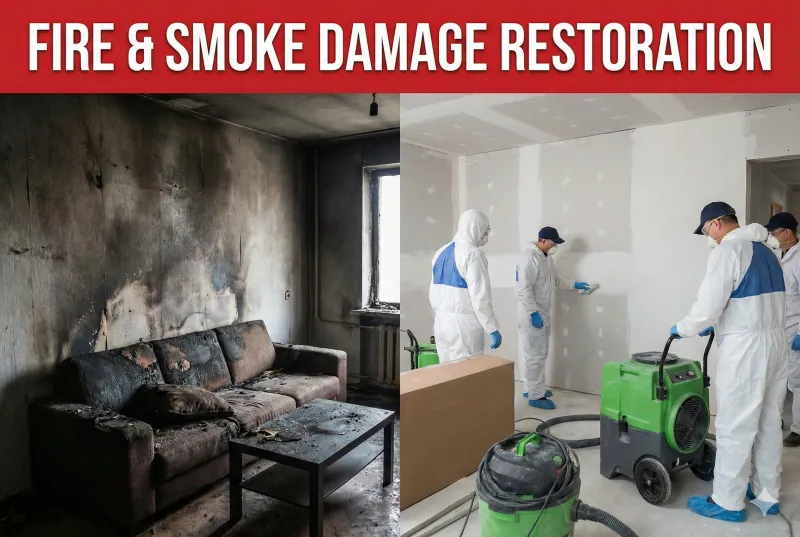
Smoke damage cleanup removes the soot, residue and odor that smoke leaves behind, from walls and ceilings to clothing, furniture and air ducts. The right cleaning method depends on what burned, because a grease fire, a smoldering electrical fire and a wood fire leave very different residue. Saved Restoration cleans smoke damage in Houston homes and businesses, whether the fire was in your building or next door. Call (346) 436-1306.
Cleanup by Type of Smoke
The first question we ask is what burned. That tells us what kind of residue we're dealing with and how to clean it without making it worse.
Protein smoke (kitchen fires)
Burned meat, beans and other food leave a residue that's nearly invisible but carries a strong, sour smell. It often shows up as a yellowish, greasy film on cabinets, walls and ceilings, and it gets into paint and fabric. Protein residue needs degreasing cleaners and thorough odor treatment, because wiping alone leaves the smell behind. Kitchen fires are one of the most common smoke jobs in Houston homes.
Wet smoke (smoldering plastics, rubber and low-heat fires)
Low-temperature, smoldering fires produce thick, sticky smoke. The residue is black, smeary and pungent, and it smears badly if you try to wipe it. Electrical fires, burned wiring and melted plastics fall in this group. These jobs usually take the most cleaning and the most odor work.
Dry smoke (fast, hot fires)
Fast-burning fires in paper and wood produce fine, powdery, dry soot. It is easier to remove from hard surfaces, but because the particles are so small, it gets into cracks, wall cavities and HVAC ducts, so the odor can be widespread.
Fuel oil and petroleum smoke
A furnace "puffback," a vehicle fire in an attached garage, or burning fuel leaves a dense, oily residue with a strong chemical smell. It needs specialized cleaners and careful handling of contents.
Smoke from a neighbor's fire or wildfire smoke
Your home doesn't have to burn to have smoke damage. Smoke from an apartment fire next door, a nearby house fire or regional wildfire smoke can pull through vents, attics and gaps, leaving odor and fine residue. These jobs are often lighter, but HVAC filters and ducts usually need attention.
How We Clean Smoke Damage
- Inspect and test surfaces to identify the type of residue and how far it spread, including closets, the attic and the HVAC system.
- Protect and sort contents. Belongings are cleaned in place or packed out for cleaning, and anything that can't be saved is listed and photographed.
- Dry soot removal with HEPA vacuums and dry-cleaning sponges before any wet cleaning, so residue isn't smeared deeper.
- Surface cleaning with cleaners matched to the residue and the surface: walls, ceilings, cabinets, fixtures and floors.
- HVAC attention: replace filters and clean or treat ductwork that carried smoke.
- Odor removal using the methods below.
- Seal and repaint where needed, and repair anything that couldn't be cleaned.
When the fire also caused structural damage, the cleanup becomes part of a larger fire damage restoration project.
Odor Removal Methods, and When Each Is Safe
Smoke odor can't be covered with air freshener. It has to be removed from the materials holding it. Depending on the job, odor removal can include:
- Cleaning the source. Most odor lives in residue. Thorough cleaning of surfaces, fabrics and ducts does most of the work.
- HEPA air filtration to capture fine smoke particles from the air during and after cleaning.
- Thermal fogging, which uses a heated deodorizer that reaches into the same cracks and porous materials smoke got into. The building is unoccupied during fogging.
- Hydroxyl generators, which break down odor molecules in the air and are generally considered usable in occupied spaces.
- Ozone treatment, which can be effective on stubborn odor but is harmful to breathe. Ozone should only be used in an empty building, with people, pets and plants out, and the space aired out afterward. The EPA explains the risks in its page on ozone generators sold as air cleaners.
- Sealing. After cleaning, an odor-blocking primer can lock in any residue left in drywall or framing before repainting.
Health and Safety After Smoke Exposure
Soot and smoke residue can irritate the eyes, skin and lungs. Until cleanup is done, keep children, older adults, pets and anyone with asthma or heart or lung conditions out of affected areas. Don't run the HVAC system if it was running during the fire or if ducts are full of soot, and throw away food, drinks and medicine that were exposed to heat or smoke. For prevention and recovery tips, see the U.S. Fire Administration's home fire resources.
Smoke Damage and Insurance
Smoke damage from a fire is commonly covered under homeowners policies, including smoke from a fire next door, but every policy is different and your insurance company makes the decision. We document the residue, the affected areas and the contents we clean with photos and a written scope you can share with your insurance company. You stay in control of your claim.
What Smoke Damage Cleanup Costs
Smoke cleanup is priced after an inspection. Cost depends on the type of smoke and residue, how many rooms and how much square footage are affected, how much of the HVAC system needs cleaning, the amount of contents to clean or pack out, the odor treatment needed, and whether surfaces need sealing and repainting.
Smoke Damage Cleanup FAQs
Can I stay in the house during smoke cleanup?
For light smoke damage, often yes, in the rooms that aren't being worked on. During fogging or ozone treatment, the building must be empty. People with breathing problems should stay elsewhere until cleaning is finished.
Will the smoke smell ever go away?
Yes, when the residue is removed from surfaces, fabrics and ducts and the remaining odor is treated at the source. Masking sprays only cover it for a while.
Can smoke-damaged clothes be cleaned?
Most clothing and linens can be cleaned and deodorized. Leave them alone until they can be cleaned properly, because home washing sometimes sets oily residue.
Is ozone safe?
Ozone is harmful to breathe. When it's used for odor removal, the building must be empty of people, pets and plants and aired out before anyone returns.
My neighbor had the fire. Can my home have smoke damage?
Yes. Smoke travels through shared walls, attics, vents and open windows. If you smell smoke or see residue days later, the HVAC system and soft furnishings may need cleaning.
Do I need to replace my air ducts after smoke damage?
Usually not. Ducts can often be cleaned and treated. Filters should be replaced, and badly damaged duct sections may need replacing.
Need smoke damage cleanup in Houston? Request a free estimate or call (346) 436-1306.
